
Choosing the Right Modern Frontend Foundation for Scale
As modern web engineering teams evaluate tooling for 2026 and beyond, the architectural debate between full-stack frameworks like Next.js 15 (with React Server Components) and lightning-fast client-centric build tools like Vite has never been more nuanced. Both offer world-class developer experience, but their production performance trade-offs diverge drastically depending on workload characteristics.
Server Components & SEO Dominance: The Next.js Advantage
For public portals, e-commerce stores, and media engines where Core Web Vitals (INP, LCP, CLS) and real-time search indexing drive organic revenue, Next.js 15 offers unparalleled server-side streaming, asset co-location, and granular caching control.
Pure Velocity & SPA Agility: When Vite Shines
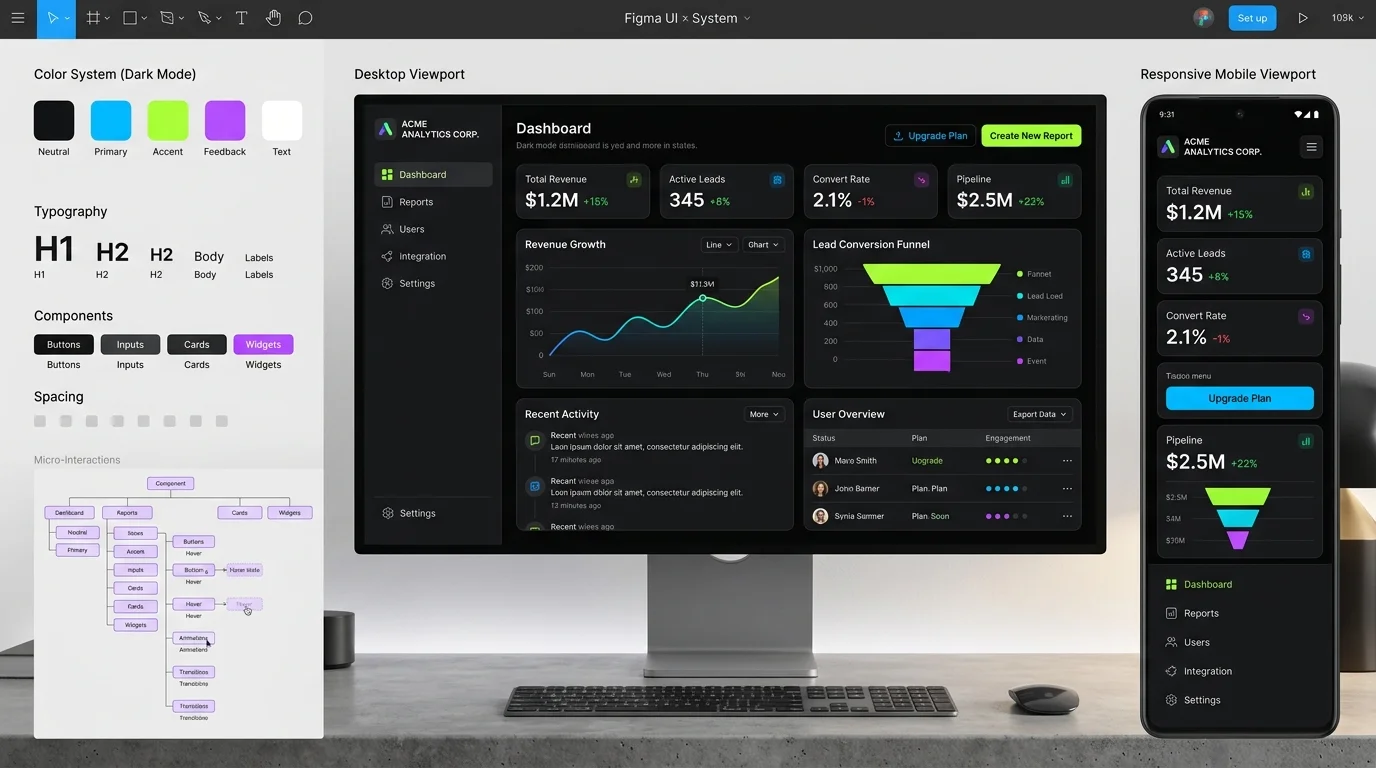
For authenticated SaaS dashboards, internal administrative portals, and complex CRM interfaces where search engine indexing is non-applicable, Vite delivers sub-second Hot Module Replacement (HMR) and lightweight static hosting cost efficiencies.