
Supercharging Knowledge Work with Next-Generation AI Stacks
The rapid maturation of generative models, autonomous code agents, and multimodal reasoning engines has fundamentally rewritten the enterprise productivity playbook. In 2026, the competitive divide is no longer between organizations that use artificial intelligence and those that do not—it is between teams that deploy bespoke, interconnected AI workflows and those relying on fragmented point solutions. At Softyfier, our custom software development and web application development squads engineer custom AI pipelines that multiply operational output.
1. Deep Autonomous Reasoning & Coding Accelerators
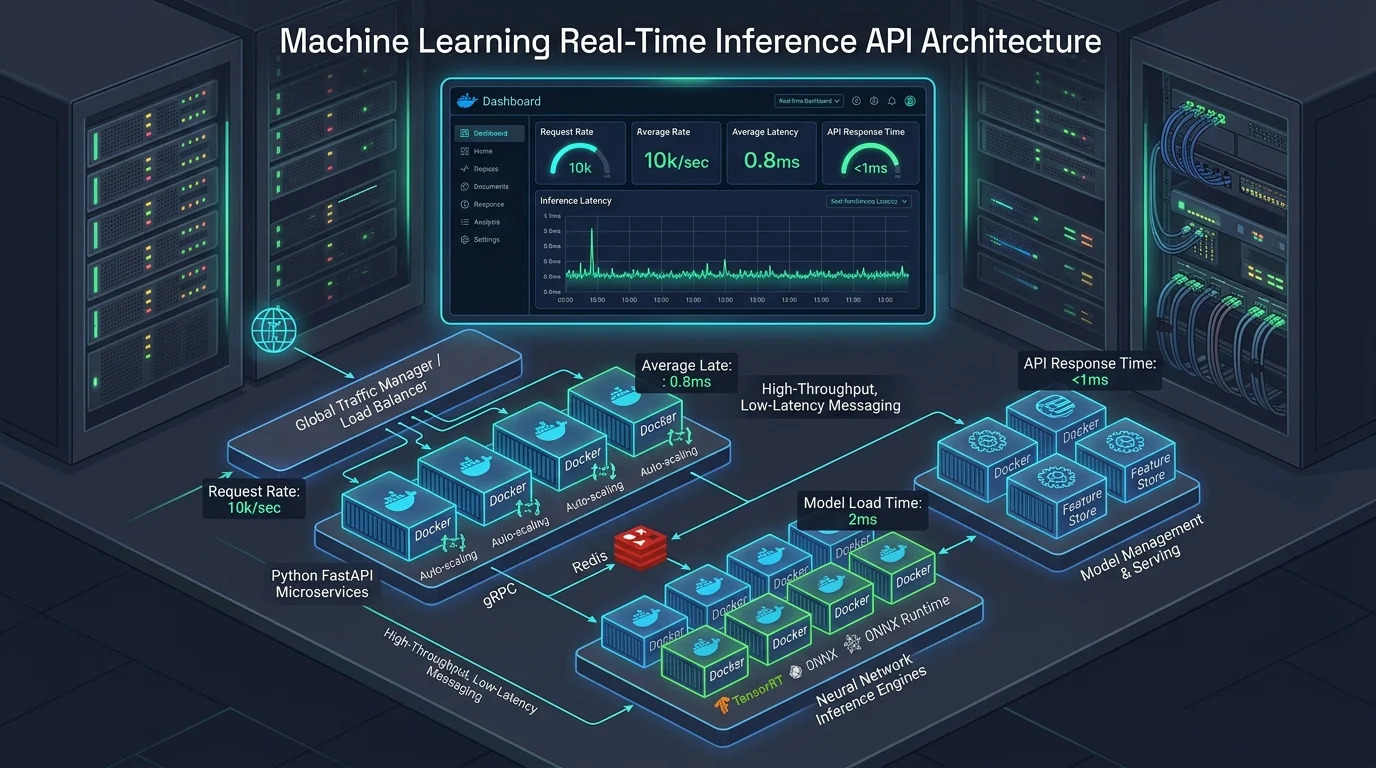
Tools like Claude 3.5 Sonnet and Cursor have redefined software engineering throughput, enabling developers to prototype, debug, and review distributed architectures in hours rather than weeks. When paired with internal API repositories, developers maintain continuous flow states while automated linters verify edge cases.
2. Multimodal Synthesis, Audio, and Visual Production
From real-time voice translation via ElevenLabs to corporate brand asset generation, multimodal models eliminate asset creation bottlenecks. Creative departments leverage unified prompt pipelines that maintain strict brand consistency across omnichannel campaigns.
3. Enterprise Agent Orchestration and Knowledge Graphs
The highest-leverage productivity leap comes from autonomous multi-agent networks operating over company knowledge graphs. By connecting disparate data silos across Slack, Notion, Jira, and customer CRMs, AI agents execute complex research workflows autonomously. Discover how our team builds enterprise AI integrations by choosing to contact our AI consultants today.